
The Vision
Ultrathin Self-Powered Skin for Autonomous Wireless Motes
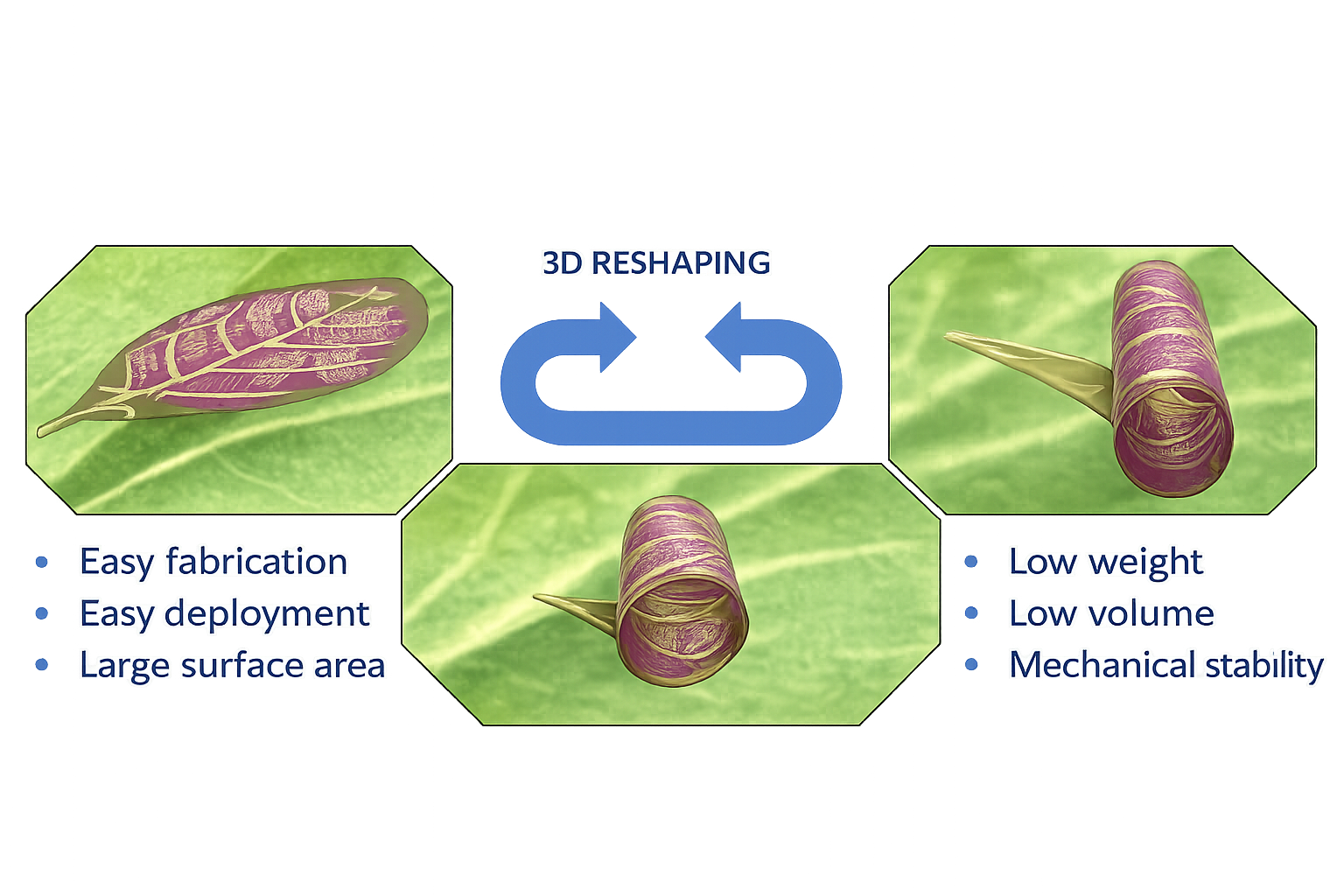
Figure 1. Printed 3D Self-reshaping autarkic skin for wireless motes.
With LEAF we aim to develop an ultrathin, self-powered, and self-reshaping “autarkic skin” for wireless motes using advanced printing technologies. The project integrates photo-chargeable micro supercapacitors, energy harvesting, RF components, and 3D transformable structures into a single lightweight system. By replacing conventional bulky and unsustainable components with printable functional materials, LEAF seeks to drastically reduce device weight, improve material efficiency (R ≈ 0.95), and enable scalable, surface-compliant IoT devices powered by ambient energy such as light
Science-towards-technology breakthrough
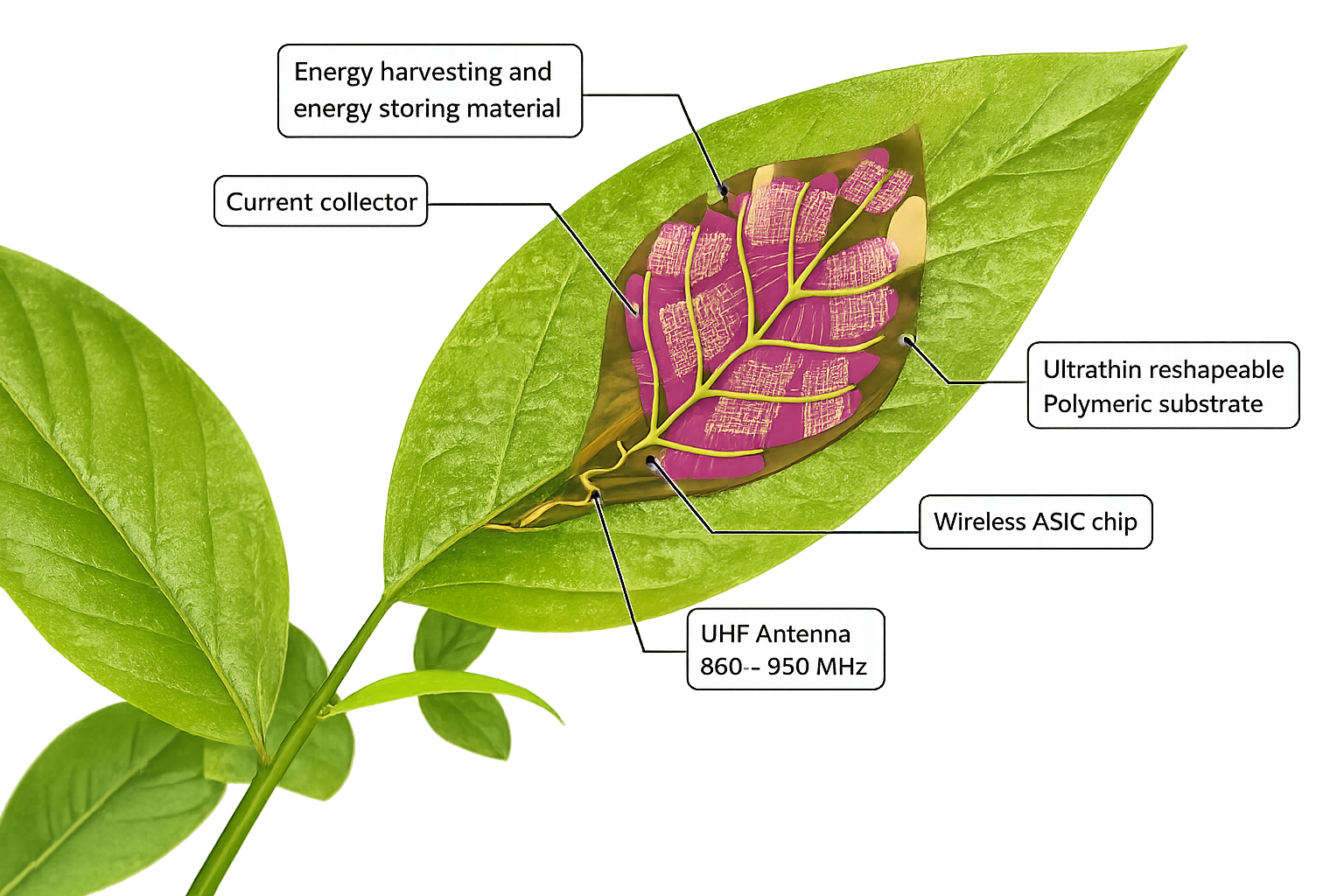
Figure 2. Deployed autarkic wireless mote developed in LEAF
LEAF delivers a science-to-technology breakthrough by combining 3D self-reshaping, energy harvesting, and energy storage into a single ultrathin (< 5 μm) autonomous skin. Using advanced inkjet and capillary printing, the system is built from a strain-engineered bilayer that transforms from a flat film into compact Swiss-roll 3D structures. High-precision patterning enables the integration of functional nanomaterials, including interdigitated micro-electrodes that simultaneously harvest light and store energy. This creates a photo-chargeable micro-supercapacitor capable of powering an integrated RF chip. The result is a lightweight, efficient (R ≈ 0.95), and mechanically robust device that maintains full functionality even after 3D transformation and deployment on real-world surfaces.
State of the Art, Novelty and Ambition
Miniaturized electronics and autonomous systems increasingly rely on compact, efficient on-chip energy solutions. Micro-supercapacitors (MSCs), particularly with interdigital architectures, offer high power density and enhanced capacitance, but their performance is still limited by current printing resolutions and material constraints. While solution-based printing techniques have improved sustainability and design flexibility, typical resolutions remain in the tens to hundreds of micrometers, restricting device optimization.
LEAF advances beyond the state of the art by employing High Precision Capillary Printing (HPCAP), a near-nanometric resolution technique enabling precise control over electrode geometry and thickness.
Figure 3. SEM images of interdigitated silver electrodes printed with the HPCAP technique
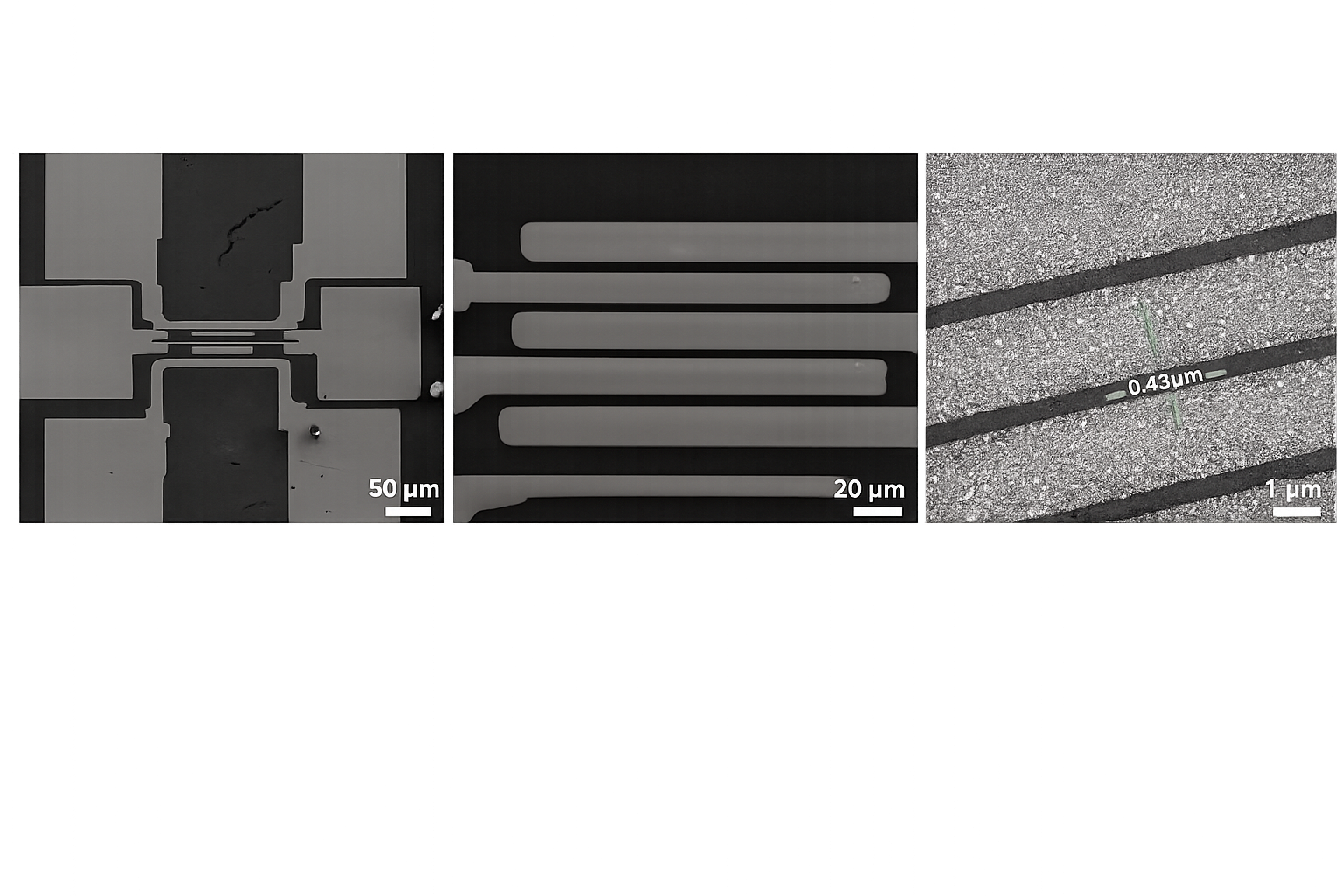
This allows the fabrication of high-density, high-performance MSCs on ultrathin, reshapeable substrates. In parallel, the project leverages advanced functional materials, including engineered 2D materials and doped metal oxide nanocrystals, to overcome challenges such as restacking, degradation, and limited energy density
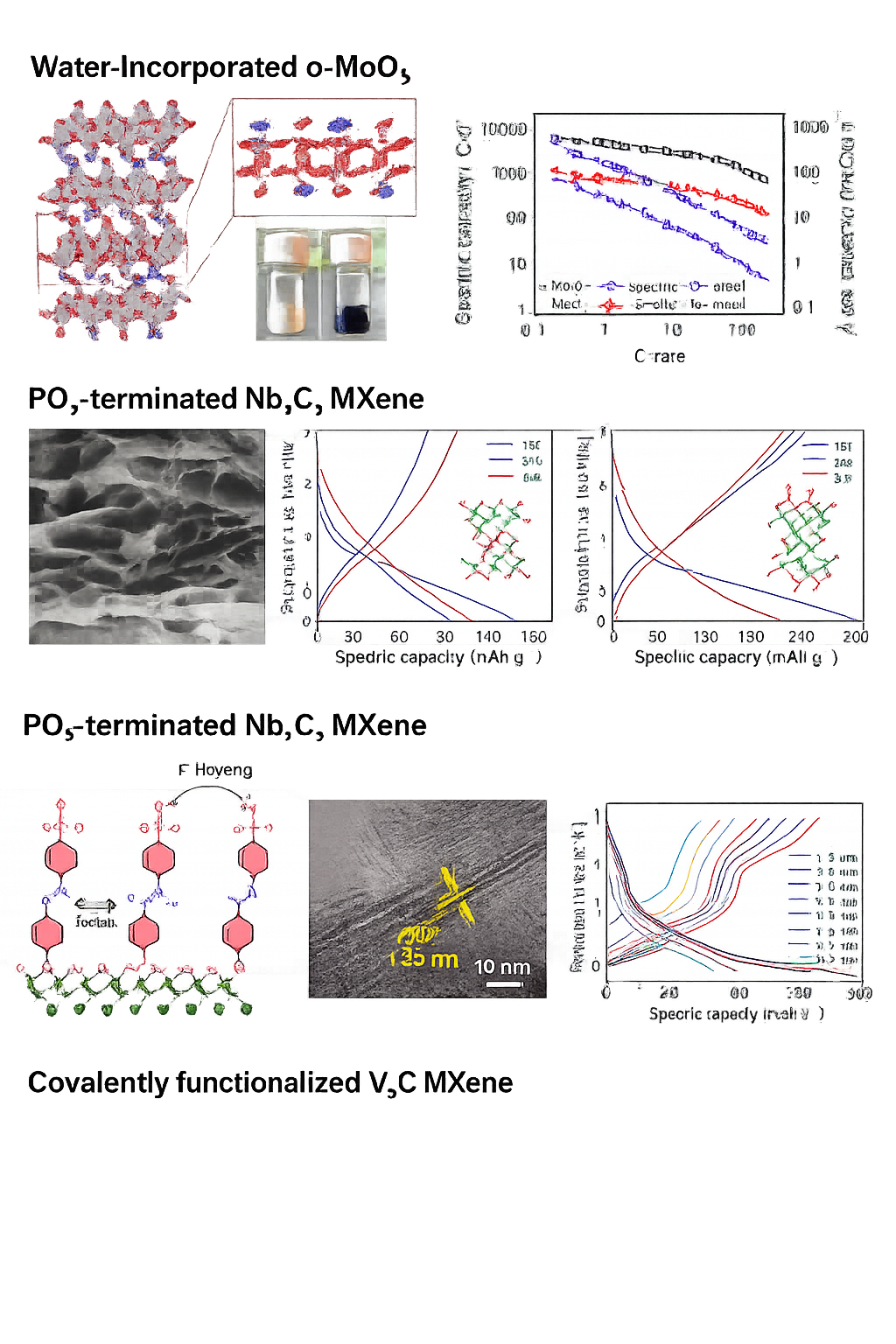
Figure 4. Structures and charge storage performance of pseudocapacitive 2D layered materials
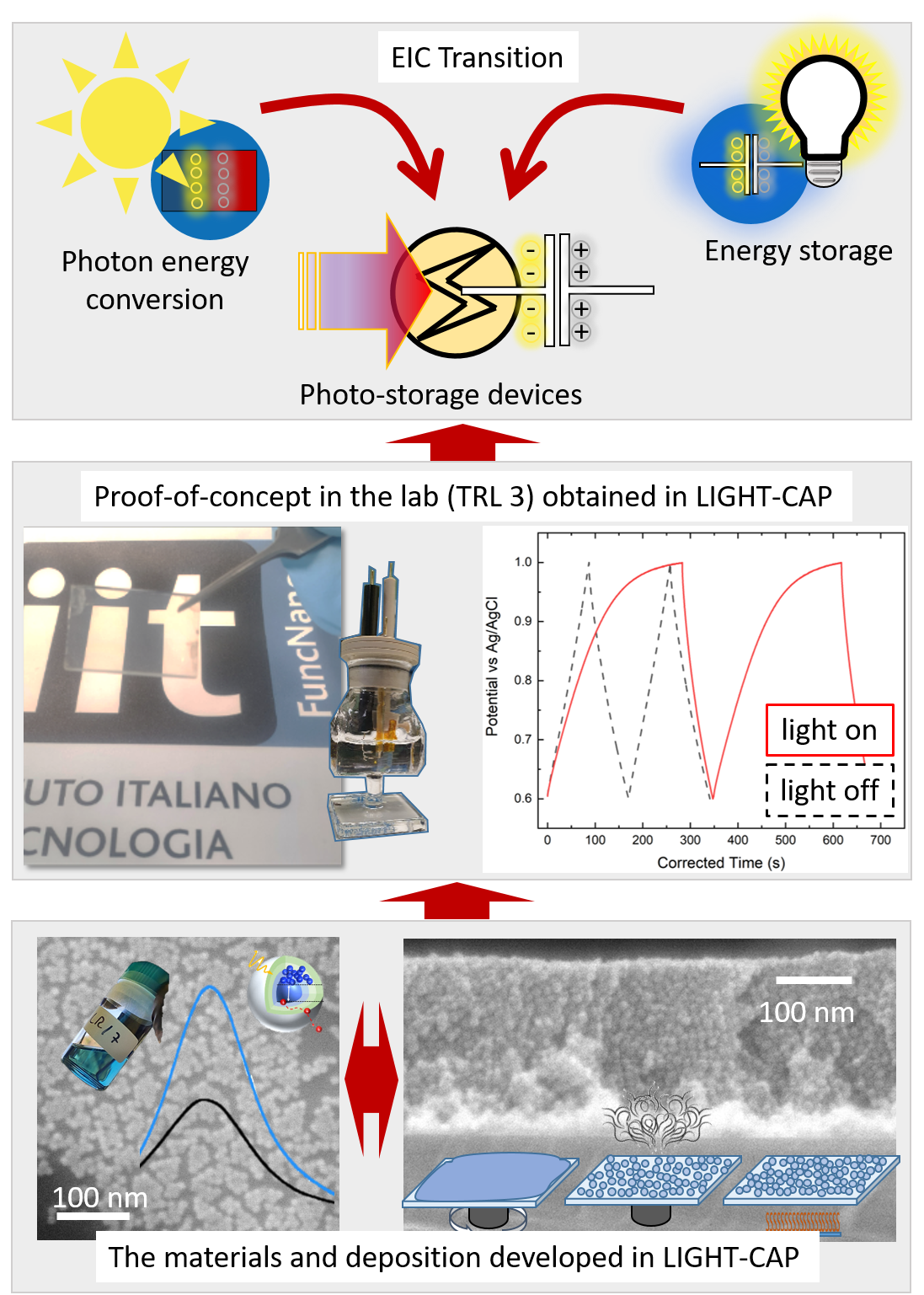
Figure 5. Proof-of-concept photostorage electrode.
A key innovation is the integration of bi-functional materials capable of simultaneously harvesting and storing light energy, eliminating the need for separate solar cells and storage units. Combined with novel self-assembling polymer systems that transform 2D films into 3D Swiss-roll architectures, LEAF enables highly efficient, lightweight, and compact energy-autonomous devices.
By merging high-resolution printing, advanced materials, and 3D self-assembly, LEAF aims to establish a new paradigm for scalable, ultralight, and self-powered microsystems, significantly surpassing current technological limitations.

Figure 6. A portfolio of extant self-assembled Swiss-roll 3D electronic devices